
Description
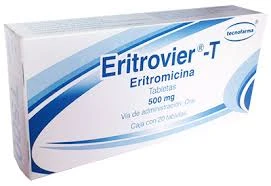
ERITROVIER-T ERYTHROMYCIN 500MG 20TABS
Infections produced by the following microorganisms:
Streptococcus pyogenes (ß-hemolytic group A): Infections of the upper and lower respiratory tract, infections of the skin and subcutaneous tissue of mild to moderate severity. As an alternative for the oral treatment of streptococcal pharyngitis and the long-term prophylaxis of rheumatic fever.
Α-Hemolytic Streptococcus (Viridans group): The use of erythromycin has been suggested for short-term prophylaxis against bacterial endocarditis, before dental procedures or upper respiratory surgical procedures in patients with congenital heart disease, rheumatic valve disease or acquired valvular disease and in those allergic to penicillin.
Staphylococcus aureus: Infections of the skin and subcutaneous tissue of mild to moderate severity.
Streptococcus pneumoniae (Diplococcus pneumoniae): Infections of the upper and lower respiratory tract such as otitis media, pharyngitis, mild to moderate pneumonia, etc.
Haemophilus influenzae: For the treatment of mild to moderate upper respiratory infections. Some strains are resistant to erythromycin alone, but are susceptible to the combination of erythromycin with sulfonamides.
Chlamydia trachomatis: For the treatment of urethritis in adults.
Corynebacterium diphtetheriae: As an adjuvant or auxiliary to antitoxins to prevent the appearance of carriers and for the eradication of these microorganisms.
Corynebacterium minutissimum: For the treatment of erythrasma.
Bordetella pertussis: Erythromycin is effective in killing the organism from the nasopharynx of infected people.
Mycoplasma pneumoniae: For the treatment of respiratory tract infections caused by said microorganism.
Indications
Eritrovier-T is commonly prescribed for:
- Respiratory Tract Infections: Such as pharyngitis, bronchitis, and pneumonia.
- Skin and Soft Tissue Infections: Including impetigo and cellulitis.
- Gastrointestinal Infections: Such as Campylobacter enteritis.
- Other Infections: Including pertussis, diphtheria prophylaxis, and certain sexually transmitted infections.
Key Features
- Broad-Spectrum Antibiotic: Effective against a wide range of bacterial pathogens.
- Convenient Dosage: Each tablet contains 500 mg of erythromycin for precise dosing.
- Versatile Treatment: Suitable for various bacterial infections.
Dosage and Administration
- Take as directed by a healthcare provider, typically every 6 to 8 hours.
- Tablets may be taken with or without food; taking with food can reduce stomach upset.
- Swallow tablets whole with water.
Contraindications and Precautions
Contraindications:
- Allergy to erythromycin or other macrolide antibiotics.
- Severe liver impairment or concurrent use of medications that interact with erythromycin (e.g., statins, ergot derivatives).
Precautions:
- Inform your doctor of any liver conditions, allergies, or history of QT prolongation.
- Use with caution in patients with gastrointestinal disorders or electrolyte imbalances.
- Complete the full course of treatment to prevent bacterial resistance.
Side Effects
Common: Mild nausea, diarrhea, or abdominal discomfort.
Rare but Serious: Severe allergic reactions, liver dysfunction, or cardiac arrhythmias.
Seek immediate medical attention if serious side effects occur.
Storage Instructions
- Store at room temperature (15–25°C) in a dry location.
- Protect from moisture and direct sunlight.
- Keep out of reach of children.
Packaging
Supplied in a pack of 20 tablets with detailed usage instructions.
Why Choose Eritrovier-T?
Eritrovier-T offers reliable and targeted treatment for a wide range of bacterial infections. Its high efficacy, convenient tablet form, and broad-spectrum action make it a trusted choice for managing infections effectively.




Reviews
There are no reviews yet.