
Description
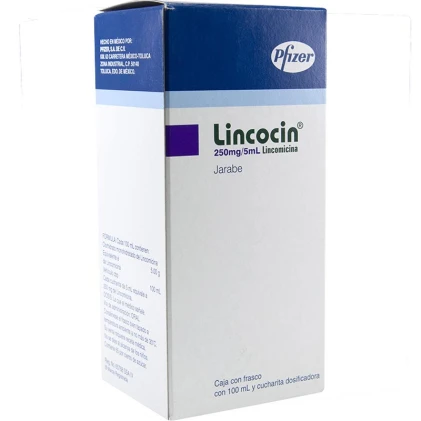
LINCOCIN ORAL SUSPENSION LINCOMYCIN
1. Lincomycin has been shown to be effective in treating the following infections caused by susceptible strains of gram positive aerobes such as streptococci, pneumococci and staphylococci, or by susceptible anaerobic bacteria.
2. Infections of the upper respiratory tract including tonsillitis, pharyngitis, otitis media, sinusitis, scarlet fever and as an adjunct in the treatment of diphtheria. Its effectiveness in treating mastoiditis can be anticipated.
3. Lower respiratory tract infections including acute bronchitis, chronic bronchitis, and pneumonia.
4. Skin and soft tissue infections including cellulitis, boils, abscesses, impetigo, acne, and wound infections. Conditions such as erysipelas, lymphadenitis, paronychia (panaritium), mastitis, and cutaneous gangrene should respond appropriately if they are caused by microorganisms susceptible to lincomycin therapy.
5. Bone and joint infections including osteomyelitis and septic arthritis.
6. Septicemia and endocarditis. Select cases of septicemia and / or endocarditis caused by susceptible organisms have responded well to lincomycin therapy. However, in these infections the use of bactericidal drugs is often preferred.
7. Bacillary dysentery. Although Shigella is resistant to Lincomycin in vitro (MIC of approximately 200-400 μg / mL), lincomycin has been effective in its treatment due to the very high levels of Lincomycin achieved in the intestine (approximately 3000-7000 μg / mL of feces).
Indications
Lincocin Oral Suspension is commonly prescribed for:
- Respiratory Tract Infections: Such as pneumonia, bronchitis, and sinusitis.
- Skin and Soft Tissue Infections: Including cellulitis, abscesses, and wound infections.
- Bone and Joint Infections: Such as osteomyelitis.
- Intra-Abdominal Infections: Caused by susceptible organisms.
- Other Bacterial Infections: Particularly those resistant to penicillin.
Key Features
- Broad-Spectrum Antibiotic: Effective against Gram-positive and anaerobic bacteria.
- Liquid Formulation: Easy-to-administer suspension suitable for children and adults with swallowing difficulties.
- Precise Dosing: Allows accurate measurement for tailored treatment.
Dosage and Administration
- Shake the bottle well before each use.
- Administer the suspension as prescribed by your healthcare provider, typically divided into doses every 6 to 8 hours.
- Use the provided measuring device for accurate dosing.
- Can be taken with or without food.
Contraindications and Precautions
Contraindications:
- Allergy to lincomycin or other lincosamide antibiotics.
- History of severe gastrointestinal conditions, such as colitis.
Precautions:
- Inform your doctor about any liver or kidney conditions.
- Use with caution in patients with a history of gastrointestinal disorders.
- Prolonged use may lead to superinfections or overgrowth of non-susceptible organisms.
- Complete the full course of treatment to avoid resistance.
Side Effects
Common: Diarrhea, nausea, abdominal discomfort, or mild skin rash.
Rare but Serious: Severe allergic reactions, pseudomembranous colitis, or elevated liver enzymes.
Seek immediate medical attention if serious side effects occur.
Storage Instructions
- Store at room temperature (15–30°C) in a dry place, away from moisture and direct sunlight.
- Keep out of reach of children.
Packaging
Supplied in a 100 mL bottle with detailed usage instructions and a dosing device for precise administration.
Why Choose Lincocin Oral Suspension?
Lincocin Oral Suspension provides an effective and convenient solution for bacterial infections, particularly for patients who prefer liquid medication. Its broad-spectrum activity, precise dosing, and easy administration make it a reliable choice for healthcare providers and patients.


Reviews
There are no reviews yet.