
Description
What is Clonazepam?
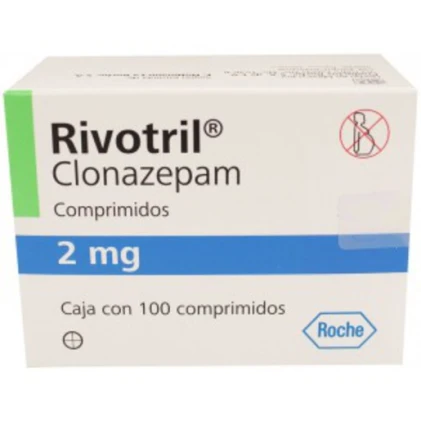
Clonazepam, also known by the brand name Klonopin, is a medication that is often used in medical practice to treat a variety of conditions and disorders. It belongs to the benzodiazepine class of drugs and has sedative, anticonvulsant, and anxiolytic properties. Clonazepam is available as tablets, including 0.5 mg and 2 mg dosages, which have a characteristic yellow color.
Before we get into the details of the Klonopin medication, let’s take a look at what Clonazepam is. Clonazepam is a synthetic drug that affects the central nervous system by binding to gamma-aminobutyric acid (GABA) receptors. This leads to an increase in the inhibitory effect of GABA, which helps to reduce nerve cell excitability. Thus, the drug helps to reduce anxiety, relieve seizures, and alleviate some other conditions.
Klonopin (Clonazepam), is available as tablets in different dosages. One common dosage is 0.5 mg, which has a distinctive yellow color, as well as a 2 mg dosage. These tablets are for oral administration and should be used as prescribed by a physician.
Clonazepam: Uses
The use of Clonazepam (Klonopin) includes the treatment of various conditions, including anxiety and panic disorders, anxiety, and insomnia. The drug is also used to treat epilepsy and myoclonic seizures, where it helps reduce the frequency and intensity of seizures. It helps reduce anxiety, tension, and panic, makes it easier to fall asleep and improves sleep quality. The drug can be used as a short-term remedy to relieve symptoms or as a long-term treatment, depending on your doctor’s recommendations.
Calm Sleep
One common use of Clonazepam Klonopin is to use it to improve sleep. The dosage of Clonazepam for sleep should be determined by your doctor and usually starts with the lowest effective dose. In the case of Klonopin, this may be a 0.5 mg tablet. In some cases, the doctor may recommend increasing the dosage to 2 mg to achieve the desired effect.
It is important to note that the dosage and duration of clonazepam for sleep should be individualized for each patient. The duration of treatment may vary depending on the symptoms and the body’s response. The doctor’s recommendations should be strictly followed, and the dosage should not be changed without his consent.
Klonopin: Dosage
The dosage of Clonazepam may vary depending on the specific condition to be treated, as well as the individual characteristics of the patient. It is important to strictly follow your doctor’s instructions regarding the dosage of Klonopin. Usually, the initial recommended dose for adults is 0.25-0.5 mg two or three times a day. The dosage may be gradually increased based on efficacy and tolerability of the drug, but the total daily dose usually does not exceed 4 mg.
Action and half-life of Clonazepam
Clonazepam remains in the body for an extended period of time. The half-life of clonazepam, that is, the time in which half of the drug is eliminated from the body, may be approximately 18-50 hours. However, individual factors may affect this figure. The duration of action of Klonopin may also vary depending on the dose, individual sensitivity, and other factors.
How long does Clonazepam last?
Generally, the effects of the drug are expected to last from a few hours to a few days.
Klonopin: Side effects
It is important to note that side effects are possible when using Klonopin. Some may include drowsiness, decreased concentration, dizziness, muscle weakness, coordination disorders, increased appetite, and mood changes. Some patients may also experience decreased blood pressure, dry mouth, indigestion, or changes in taste. In rare cases, allergic reactions may occur. There is also a risk of addiction and dependence with prolonged and uncontrolled use of the drug. Therefore, it is necessary to strictly follow the doctor’s recommendations regarding the duration of treatment and dosage, and in case of side effects or unusual reactions to the drug, you should seek advice and possible correction of therapy.
Clonazepam: Interactions
Interactions of Clonazepam with other drugs and substances also require special attention. Certain drugs such as sedatives, antidepressants, alcohol, and narcotic analgesics may increase the depressant effect on the central nervous system when used concomitantly with Klonopin. This can lead to a significant decrease in responsiveness, respiratory depression, and other adverse effects. Therefore, you should warn your doctor about all medications you are taking, including over-the-counter and herbal medicines, in order to avoid undesirable interactions.
FAQ
In this part of the article, we decided to collect the most frequent questions from users about the drug. This will help you get the information in a more concise form.
-
What is Klonopin used for? Klonopin is used to prevent and control seizures, and also to manage panic disorders.
-
How should I take Klonopin? Klonopin is usually taken as prescribed by your doctor. It can be taken with or without food.
-
What are the side effects of Klonopin? Side effects can include drowsiness, dizziness, weakness, unsteadiness, depression, loss of orientation, headache, and sleep disturbances.
-
How does Klonopin affect the brain and body? Klonopin works by increasing the effects of GABA, a neurotransmitter that moderates the movement of nerve signals in the brain.
-
How long does it take for Klonopin to start working? Klonopin begins having an effect within an hour and lasts between 6 and 12 hours.
-
Can Klonopin be used for anxiety? Yes, Klonopin can be used to treat panic disorder and anxiety.
-
What precautions should I take before starting Klonopin? You should inform your doctor about any allergies, medical conditions, and any other drugs you are taking. It’s not recommended to drive or operate heavy machinery until you know how Klonopin affects you.
-
Can Klonopin cause dependency or addiction? Yes, Klonopin can lead to dependence or addiction, especially when used over a longer period or at high doses.
-
How should Klonopin be stored? Klonopin should be stored at room temperature, away from light and moisture.
-
What happens if I miss a dose or overdose on Klonopin? If you miss a dose, take it as soon as you remember. If it’s near the time of the next dose, skip the missed dose. In case of an overdose, seek immediate medical attention.
-
Can Klonopin interact with other medications or substances? Yes, Klonopin can interact with other medications, including alcohol, leading to increased side effects or reduced effectiveness.
-
What should I do if I experience severe side effects from Klonopin? If you experience severe side effects, you should contact your healthcare provider immediately.
-
Is Klonopin safe for pregnant or breastfeeding women? Klonopin can potentially cause harm to an unborn baby and may pass into breast milk, so it should only be used in pregnancy or while breastfeeding if the benefits outweigh the risks.
-
Can I drive or operate machinery while taking Klonopin? Klonopin can cause drowsiness and decreased alertness. It’s not advised to drive or operate heavy machinery until you know how the drug affects you.
-
Can Klonopin be used in elderly patients? Yes, but caution is advised as elderly patients can be more sensitive to the side effects of Klonopin.
-
How should Klonopin be discontinued to avoid withdrawal symptoms? It’s important to gradually taper off Klonopin under the guidance of your doctor to avoid withdrawal symptoms.
-
What’s the difference between Klonopin and other benzodiazepines like Xanax or Ativan? The main difference between these medications is the length of time they’re active in the body. Klonopin has a longer duration of action compared to Xanax and Ativan.




Reviews
There are no reviews yet.