
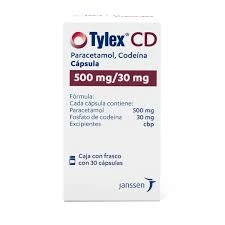
Description
TYLEX CD ACETAMINOPHEN-CODEINE
What is Tylex?
Tylex is a combination medicine that contains two active ingredients: acetaminophen (paracetamol) and codeine. These substances make the medication Tylex an effective pain reliever. Acetaminophen is known for its antipyretic and analgesic action, while codeine is an opioid analgesic that helps to reduce the sensation of pain by acting on the central nervous system.
Tylex: what is it for
Tylex cd tablets are typically used to manage moderate to severe pain when less potent analgesics are unable to provide the necessary relief. “CD” in the name indicates the codeine content of the drug.
Dosage
Tylex 500/30 mg means that each tablet contains 500 mg of acetaminophen and 30 mg of codeine. This dosage is considered the standard dosage and is often used in clinical practice to achieve an optimal balance between efficacy and safety of the drug.
The dosage of Tylex 30,500, a combination drug that includes acetaminophen (paracetamol) and codeine, plays a key role in its effectiveness and safety in treating pain. Understanding the correct dosage and how to take Tylex tablets will help optimize its analgesic effects and minimize the risk of possible side effects.
The drug Tylex 30 mg is usually available in tablets, each containing 500 mg of acetaminophen and 30 mg of codeine. This proportion provides a balanced combination of the antipyretic and analgesic action of acetaminophen with the moderate opioid analgesic effect of codeine.
The recommended dosage of Tylex with e for adults and children over 12 years of age is usually one tablet every 4–6 hours, depending on the intensity of the pain. It is important not to exceed the maximum daily dose of acetaminophen, which is 4000 mg, equivalent to eight Tylex 500 tablets over 24 hours. Exceeding this dose may result in serious side effects, including liver damage.
In the context of long-term use, the potential for codeine dependence should be considered. To minimize the risks, the physician may advise starting treatment with the lowest effective dose and gradually adjusting it depending on the patient’s individual response and the degree of pain syndrome.
As with any medication, before starting Tylex 30 mg it is extremely important to consult your doctor who will assess your condition, medical history, current treatment and determine the appropriate dosage based on this. The doctor will also tell you about possible interactions of Tylex cd with other drugs and conditions in which its use may be undesirable or dangerous.
Following the dosage recommendations and taking Tylex 30 will help you achieve the best effect in relieving pain, while minimizing health risks and possible side effects.
Tylex Mexico
Tylex cd codeine is particularly popular in Latin American countries such as Mexico, where it is available in pharmacies and is used to treat various types of pain, including headache, toothache, muscle pain, as well as pain associated with arthritis and post-surgical pain.
Side effects
The following side effects may occur while taking Tylex cd:
- Gastrointestinal Disorders: Nausea, vomiting, constipation, or diarrhea may occur as a result of taking the drug.
- Sedation: Codeine may cause drowsiness, fatigue, or dizziness, which may affect the ability to drive or perform tasks requiring increased attention.
- Allergic reactions: Like any other medication, Tylex 500/30 may cause allergic reactions, including skin rash, itching, facial swelling, or difficulty breathing.
- Dependence: Long-term use of codeine can lead to the development of tolerance and physical dependence.
Combination with other medicines
Interactions between Tylex, a combination product containing acetaminophen (paracetamol) and codeine, and other medicines can significantly affect its effectiveness and safety. Understanding these interactions helps prevent unwanted side effects and enhance the positive effects of treatment.
-
Alcohol: The combination of Tylex cd and alcohol is highly undesirable. Alcohol increases the depressant effect of codeine on the central nervous system, which may lead to increased sedation, breathing difficulties and other dangerous conditions. Also, combination with alcohol increases the risk of developing toxic liver damage due to acetaminophen.
-
Opioid analgesics: Simultaneous use of Tylex and other opioid analgesics may increase the depressant effect on the central nervous system, which may lead to deep sedation, difficulty in breathing and even life-threatening conditions.
-
Drugs for the treatment of epilepsy: Some drugs used to control epileptic seizures, such as phenytoin and carbamazepine, may accelerate the metabolism of acetaminophen, which reduces its effectiveness and increases the risk of toxic effects on the liver.
-
Antidepressants: Tricyclic antidepressants and serotonin reuptake inhibitors may increase the depressant effect of codeine on the respiratory center, as well as increase the risk of serotonin syndrome – a dangerous condition associated with excessive activation of serotonin receptors.
-
Barbiturates and Benzodiazepines: Barbiturates and benzodiazepines used to treat insomnia or anxiety may increase the sedative effect of codeine, increasing the risk of respiratory depression and deep sedation.
-
Other Analgesics: Concomitant use of Tylex CD with other drugs containing acetaminophen may lead to exceeding the safe daily dose of this substance and increase the risk of toxic effects on the liver.
Contraindications
Contraindications to the use of Tylex c d include, but are not limited to, the following conditions and situations:
- Allergic reactions: People with a known allergy to acetaminophen, codeine, or any other component of the drug should avoid its use.
- Severe Respiratory Disease: Patients with asthma, COPD, or other serious respiratory diseases may experience a worsening of their condition due to the depressant effect of codeine on the respiratory center.
- Liver disease: Given that acetaminophen is metabolized in the liver, people with severe liver dysfunction should avoid taking Tylex 500 or use it with caution.
- Alcohol dependence: Chronic alcohol use may increase the risk of liver damage when taking acetaminophen-containing products.
- Pregnancy and lactation: The use of Tylex 30 during pregnancy and lactation may pose a risk to the fetus or newborn due to the possibility of drug components passing through the placenta or into breast milk.
Duration of action
Tylex 500/30 begins to take effect approximately 30 minutes after ingestion, with peak efficacy occurring in approximately 1 to 2 hours. The duration of the analgesic effect may vary depending on individual metabolic and health conditions, but on average ranges from 4 to 6 hours. This means that Tylex cd is usually taken at 4 to 6 hour intervals to maintain a consistent analgesic effect.
Metabolism and excretion of acetaminophen
Acetaminophen is metabolized in the liver to form several products, most of which are inactive and harmless. However, one of the metabolites, N-acetyl-p-benzoquinonimine (NAPQI), is toxic and can cause liver damage if its levels become too high. Normally, NAPQI is neutralized by glutathione and eliminated from the body with urine in a safe form. The excretion process of acetaminophen from the body usually takes 24 to 48 hours after the last dose.
Metabolism and excretion of codeine
Codeine is metabolized in the liver by the enzyme CYP2D6 to morphine, which is the main active metabolite providing the analgesic effect of codeine. The rate of this conversion and the activity of the enzyme can vary considerably from person to person, which explains the different efficacy of codeine in different patients. Codeine and its metabolites are eliminated from the body mainly through the kidneys, with urine. Most codeine and its metabolites are eliminated from the body within 24 hours of ingestion.
Factors affecting metabolism and excretion
The rate of metabolism and excretion of Tylex CD components may depend on many factors, including age, liver and kidney status, presence of concomitant diseases, and concomitant use of other medications. For example, in the elderly and in patients with impaired liver or kidney function, metabolism and excretion may be slower, resulting in a longer duration of action of Tylex and the risk of accumulation of toxic substances in the body. In addition, some drugs may interact with liver enzymes involved in the metabolism of acetaminophen and codeine, changing the rate of their conversion and excretion.
In conclusion, Tylex is a powerful medication to combat pain. Thanks to the combination of paracetamol and codeine, it helps to relieve moderate to severe pain, making it an indispensable assistant in medical practice. However, like any medication, the drug Tylex 30 mg requires a responsible approach in its use and strict adherence to the doctor’s recommendations.




Reviews
There are no reviews yet.